
Port of Corpus Christi Injury Lawyers: Legal Help After Dock, Vessel, and Terminal Accidents

Injured at the Port of Corpus Christi? These Cases Involve More Than One Responsible Party The Port of Corpus Christi is one of the largest and busiest ports in the United States, handling massive volumes of oil, gas, cargo, and industrial materials every day. With that level of activity comes serious risk. Accidents at the…
Wrecks on Highway 146 and Highway 225: What to Know
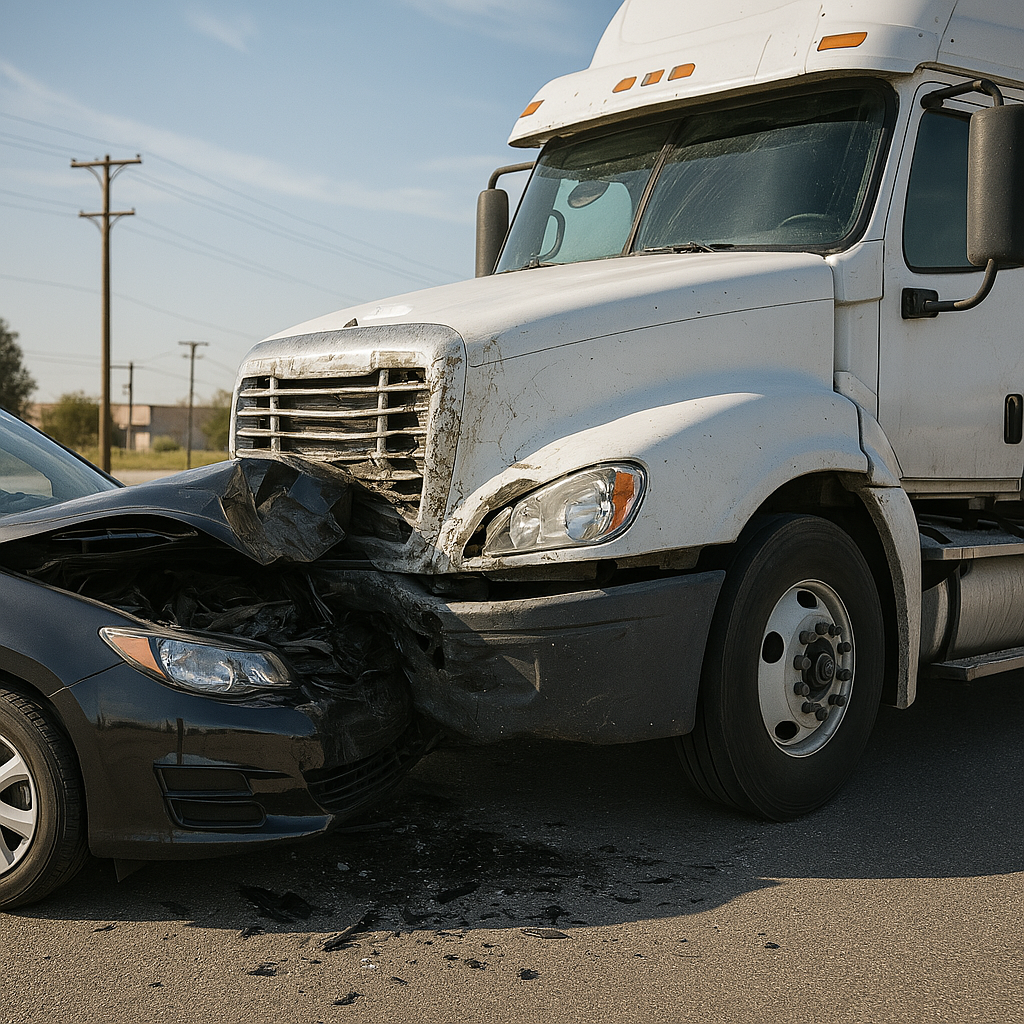
Commercial truck traffic is constant along Texas State Highway 146 and Texas State Highway 225, two major industrial corridors serving the Houston Ship Channel. Every day, tanker trucks, container haulers, and refinery contractor vehicles travel these routes connecting the ports, petrochemical plants, and terminals in Deer Park, Pasadena, and La Porte. Unfortunately, the heavy industrial…
Cruise Line Sexual Assault Cases: Your Rights After an Attack at Sea

Cruise vacations are marketed as safe and carefree—but for many passengers, that promise is broken. Sexual assault is one of the most commonly reported crimes on cruise ships, and these incidents are often preventable. If you or a loved one has been assaulted on a cruise, it is critical to understand your rights. These cases…
Beaumont Car Accident Lawyers – Injured on I-10 or Highway 69?
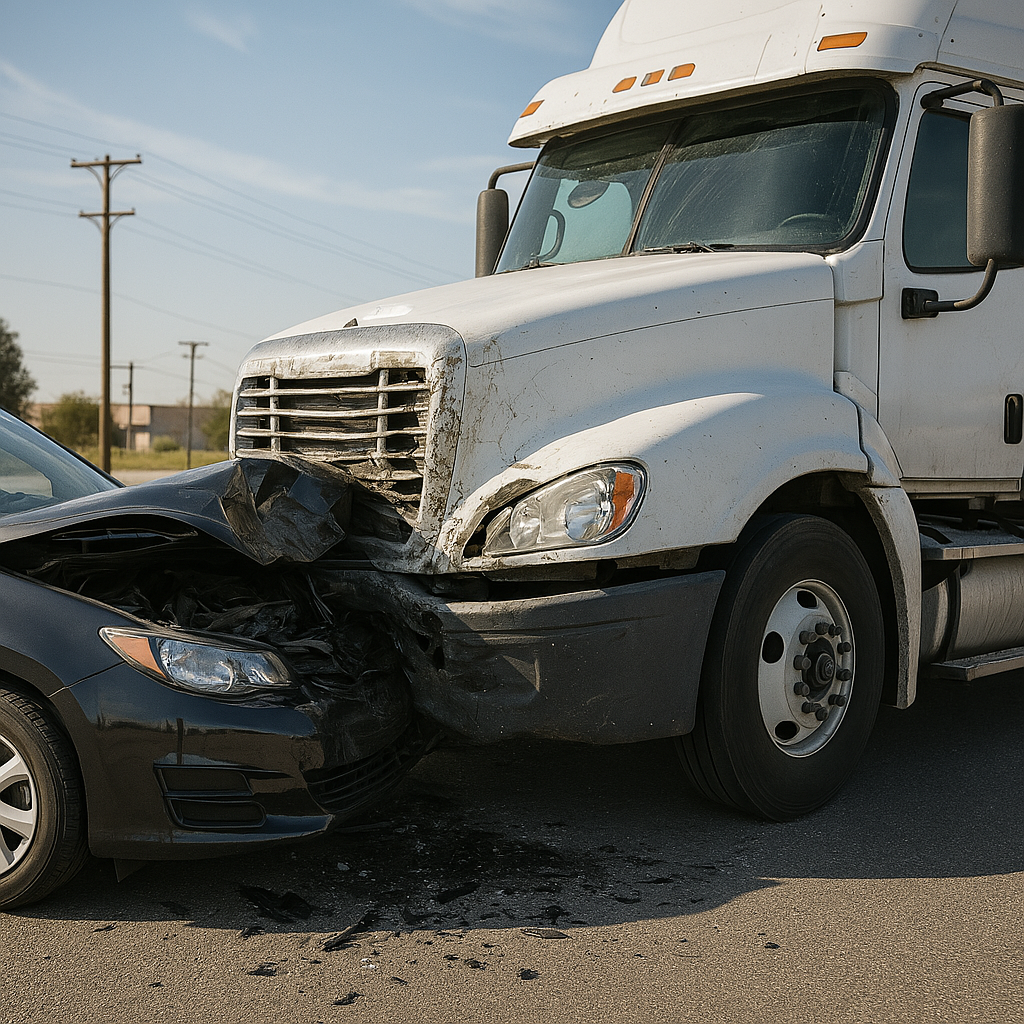
Car accidents in Beaumont Texas are not minor inconveniences—they are often life-changing events that leave victims dealing with serious injuries, mounting medical bills, and lost income. From high-speed collisions on I-10 and Highway 69 to dangerous intersections along Dowlen Road, College Street, and Major Drive, Beaumont sees a constant flow of traffic—and serious crashes happen…
11 Rescued After Boat Fire Near Texas City Dike: What Galveston Bay Boaters Need to Know
A frightening boat fire near the Texas City Dike on Memorial Day serves as another reminder of how quickly emergencies can unfold on the waters of Galveston Bay. According to the U.S. Coast Guard, a 38-foot pleasure craft caught fire near the Texas City Dike on May 25, 2026, forcing all 11 passengers onboard to…
Injured in Galveston? Here is What To Do!
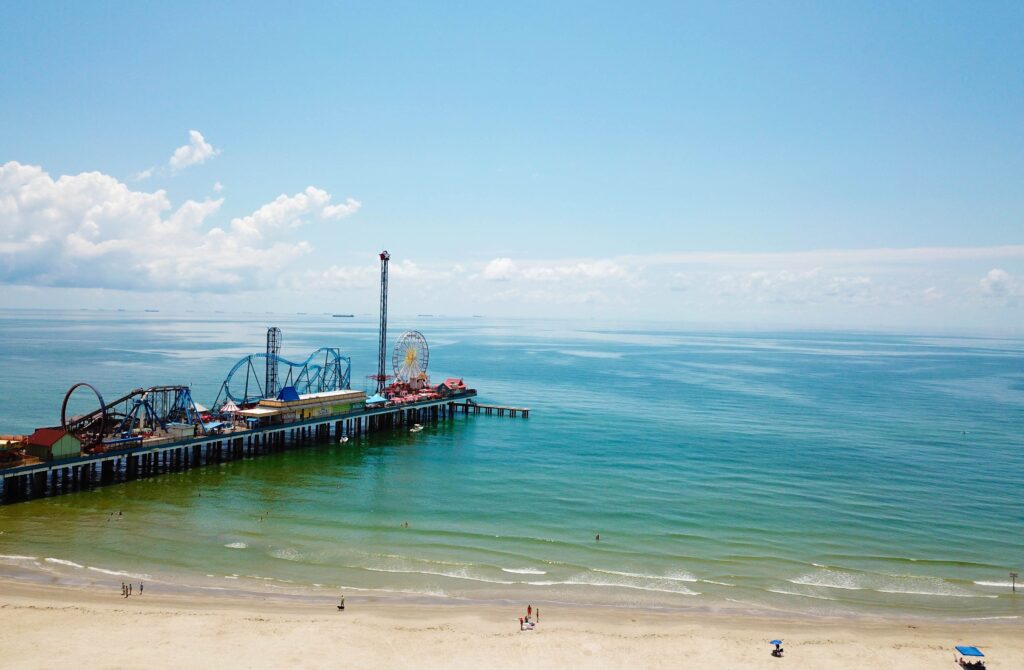
What to Do After a Cruise, Port, or Beach Accident Galveston is one of the busiest coastal destinations in Texas—home to major cruise terminals, active port operations, and thousands of tourists year-round. But when an accident happens here, the legal landscape is not always straightforward. Whether you were injured on a cruise ship, at the…
Supreme Court Expands Potential Liability for Freight Brokers in Major Trucking Accident Case
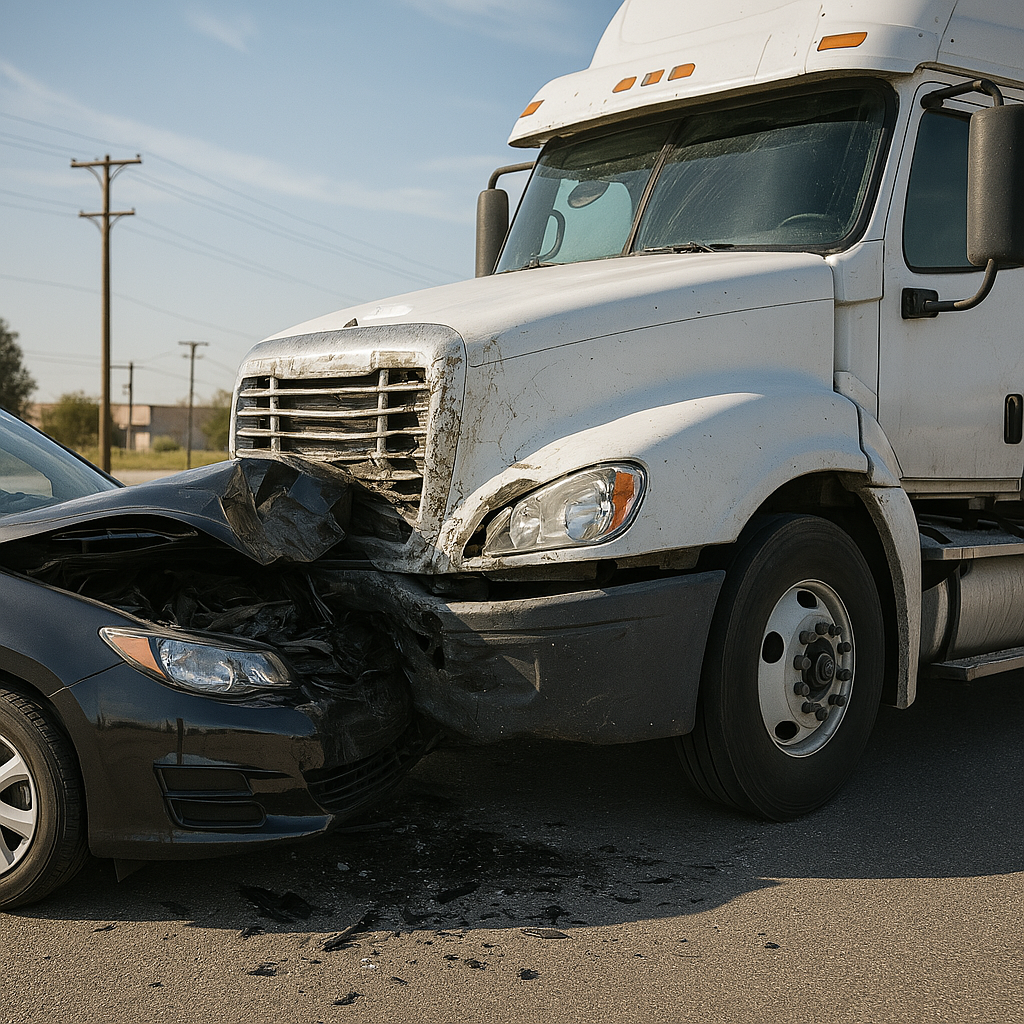
The United States Supreme Court has issued a significant ruling for victims of catastrophic 18-wheeler accidents in Montgomery v. Caribe Transport II, LLC, a decision that could dramatically impact trucking accident litigation across Texas and the United States. In a unanimous opinion, the Supreme Court held that negligent hiring claims against freight brokers are not…
Top Causes of Injuries at the Houston Ship Channel
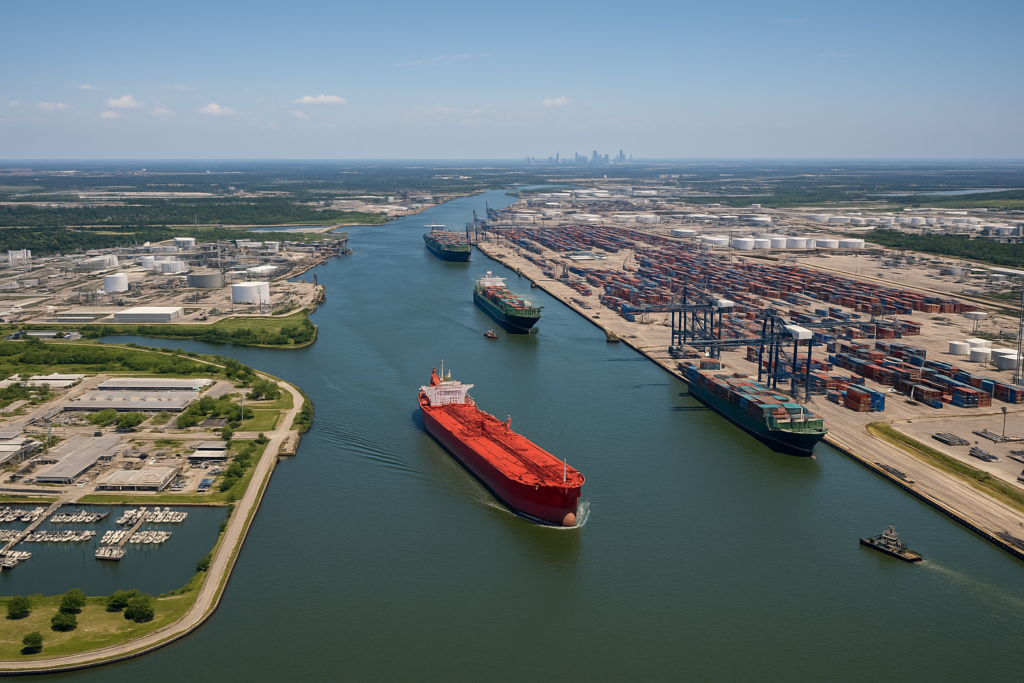
What Injured Maritime Workers Need to Know The Houston Ship Channel is one of the busiest industrial waterways in the United States. Every day, longshoremen, seamen, contractors, and refinery workers operate in high-risk environments involving heavy machinery, cargo operations, and vessel traffic. When something goes wrong, the injuries are often serious—and the legal issues are…
What Offshore and Vessel Workers Are Entitled To After an Onboard Injury?
What Is Maintenance and Cure? Maintenance and cure is a fundamental protection under maritime law that requires an employer to provide benefits to an injured seaman—regardless of fault. This obligation applies even if the injury was not caused by employer negligence. When Does Maintenance and Cure Apply? A seaman is entitled to maintenance and cure…
How Much Is My Personal Injury Case Worth?

How Is the Value of a Personal Injury Case Calculated? There is no fixed formula for determining the value of a personal injury case. Instead, claims are evaluated based on a combination of economic and non-economic damages, along with liability and long-term impact. Most cases are built around documented losses and projected future consequences. Types…