
Gangway Collapse Injuries: What Texas Seamen Should Know About Their Jones Act Rights
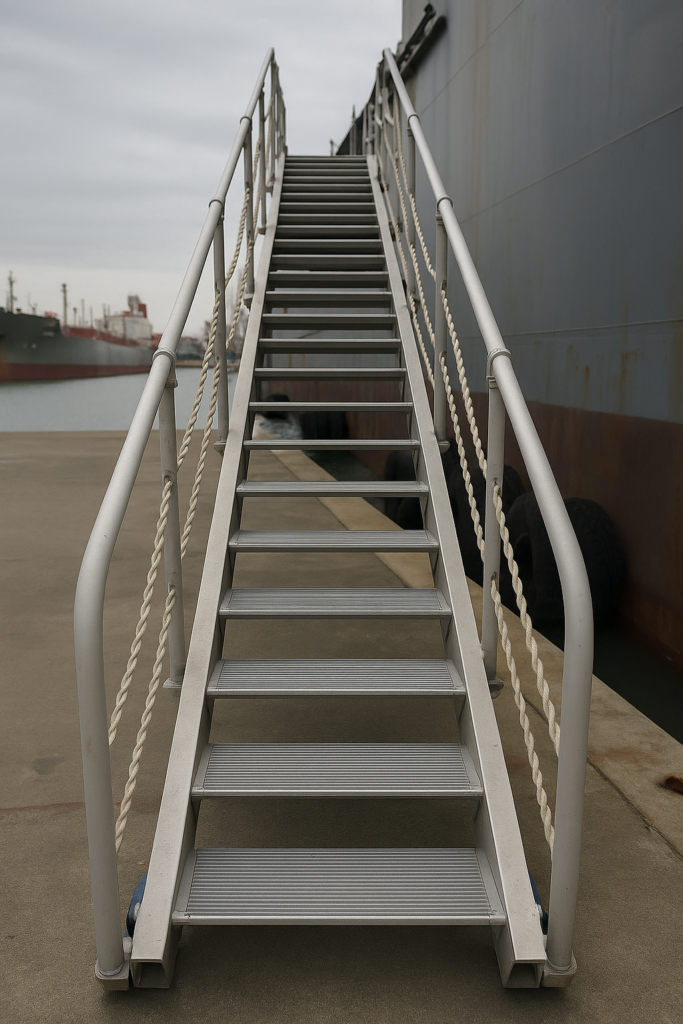
Gangways are one of the most commonly used pieces of equipment on vessels and docks, yet they are also a frequent source of serious maritime injuries. When a gangway collapses, shifts, or is improperly secured, seamen can suffer devastating falls between a vessel and the dock. These accidents occur regularly in busy Gulf Coast ports…
Industrial Fire Reported Near La Porte Chemical Plant: What Workers Should Know About Their Legal Rights
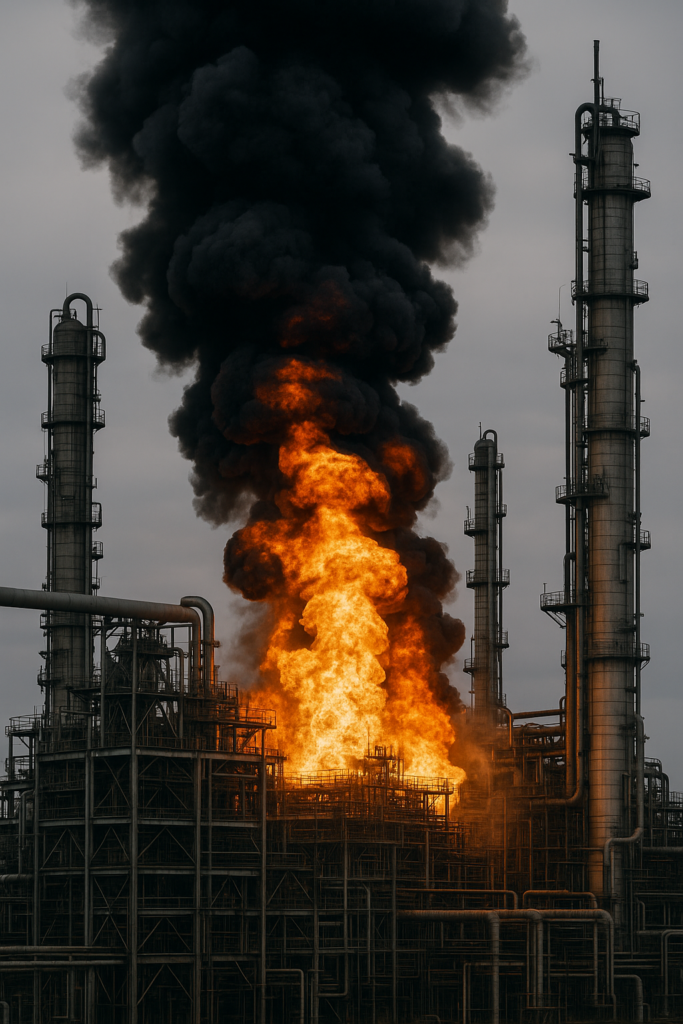
A large industrial fire broke out Thursday night near La Porte, Texas, sending flames and smoke into the sky and drawing a massive emergency response from fire departments and hazmat teams across the Houston Ship Channel area. The fire was reported at the LyondellBasell Bayport Choate chemical facility, prompting emergency crews and industrial response teams…
Two Recent Houston Train Accidents Highlight Serious Railroad Injury Risks

Two recent train incidents in Houston have once again highlighted the serious dangers associated with railroads and train operations in densely populated areas. Within just days of each other, two individuals were struck by trains in separate incidents across the city—one fatal and another resulting in severe injuries. These accidents serve as a stark reminder…
Injured in Deer Park, La Porte, or Pasadena? Know Your Rights

Communities like Deer Park, La Porte, and Pasadena sit at the heart of the Houston Ship Channel and are home to some of the largest refineries, chemical plants, and maritime terminals in Texas. Thousands of workers in these areas face dangerous conditions every day—from refinery explosions and plant accidents to industrial equipment failures and truck…
Snap-Back Tow Line Injuries on Tugboats in Texas
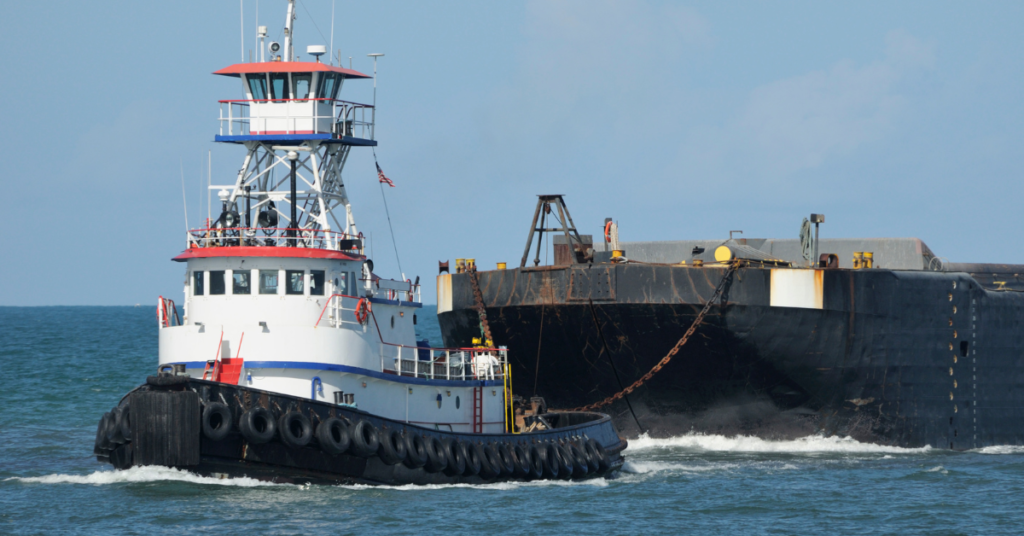
Few hazards in the tugboat industry are more dangerous—or more widely feared by experienced mariners—than a snap-back tow line accident. Along the Texas coast, tugboats regularly handle high-tension towing operations in busy waterways like the Houston Ship Channel, Galveston Bay, the Sabine-Neches Waterway, and the Corpus Christi Ship Channel. When towing equipment fails or a…
Tugboat Injuries Along the Texas Coast: What Maritime Workers Need to Know

Tugboats are the workhorses of the Texas maritime industry. From the Houston Ship Channel and Port of Galveston to Port Arthur, Corpus Christi, Freeport, and Brownsville, tug crews move massive vessels, assist tankers, manage barges, and keep Gulf Coast commerce flowing. But the same operations that keep ports running also expose tugboat crews to serious…
Top 10 Myths About Personal Injury Law (And the Truth That Can Protect Your Claim)
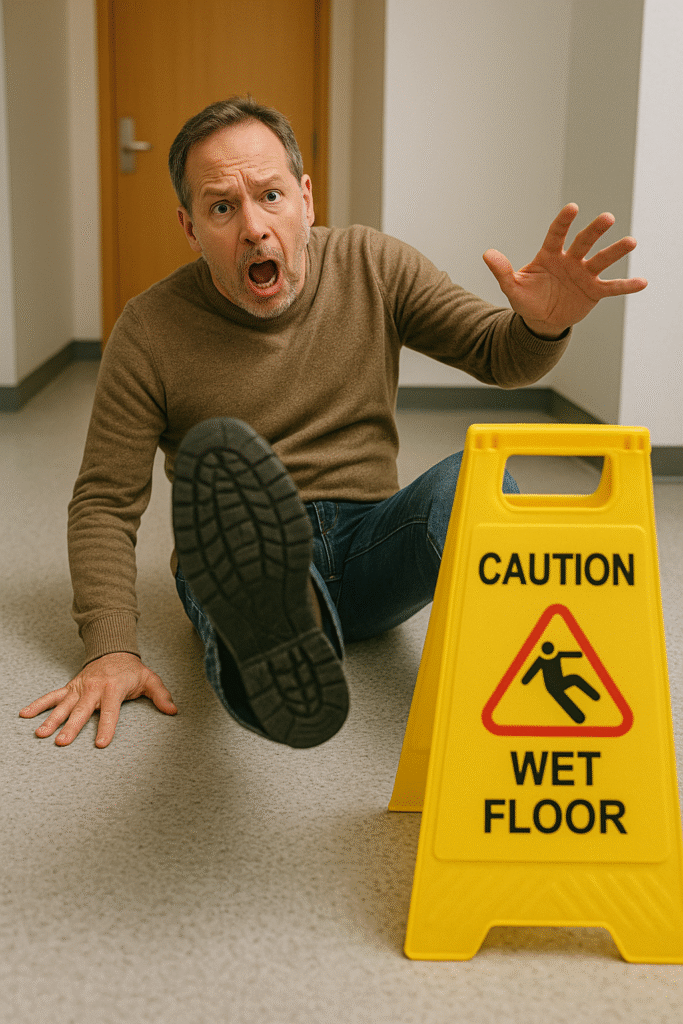
Personal injury law is often misunderstood, and those misconceptions can stop injured people from getting the compensation they deserve. From car accidents and workplace injuries to maritime incidents and refinery accidents, victims across Texas frequently delay seeking help because they believe common myths that simply aren’t true. Understanding what personal injury law actually covers can…
The Complete Guide to the Jones Act in Texas (2026 Edition)

The Jones Act is one of the most powerful federal laws protecting injured maritime workers. If you work offshore, on a tug, tanker, supply vessel, dredge, or fleet vessel operating out of Houston, the Gulf of Mexico, or any Texas port, your rights are very different from standard workers’ compensation claims. This guide explains who…
Hurt on a Dredge Boat? Your Legal Rights After a Dredging Injury in Texas Waters

Dredge work is some of the most dangerous maritime labor along the Texas coast. From the Houston Ship Channel to Bayport, Galveston, and the Port of Corpus Christi, dredge crews face constant risks from heavy machinery, unstable decks, moving pipelines, and shifting water conditions. If you were injured while working on a dredge boat, you…
18-Wheeler Wrecks Along Highway 225: Injury Risks near the Refineries

Highway 225 is one of the most dangerous trucking routes in the Houston area, running through Pasadena, Deer Park, and into the heart of the Ship Channel’s refinery and chemical plant corridor. Every day, thousands of 18-wheelers travel this stretch transporting fuel, chemicals, containers, and industrial materials to and from major facilities and port terminals….