
Injured While Working on a Barge? Your Legal Rights Under the Jones Act

Injuries on Barges Can Change Your Life Overnight Barges are among the most dangerous workplaces in the maritime industry. Whether you work aboard a hopper barge, deck barge, crane barge, material barge, or spud barge, one mistake, unsafe condition, or equipment failure can result in devastating injuries. Unlike many land-based workers, injured barge workers often…
Galveston Warehouse Marina Fire Highlights Serious Maritime and Waterfront Injury Risks

Recent Galveston Waterfront Fire Serves as a Reminder of Maritime Fire Hazards A massive fire recently destroyed a seafood warehouse near Galveston’s waterfront, prompting a significant response from multiple fire departments and emergency personnel. According to public reports, firefighters rescued three individuals and a dog, and the cause of the fire remains under investigation. While…
Vessel Injury Claims in Texas: What Injured Seamen, Longshore Workers, and Passengers Need to Know

Every year, workers and passengers suffer serious injuries aboard vessels operating in the Gulf of Mexico, the Houston Ship Channel, the Port of Galveston, and ports throughout Texas. Whether the injury occurs on a tugboat, barge, offshore supply vessel, cargo ship, tanker, dredge, fishing vessel, or cruise ship, maritime law often provides rights and remedies…
Jones Act Claims Explained: A Complete Guide for Injured Seamen
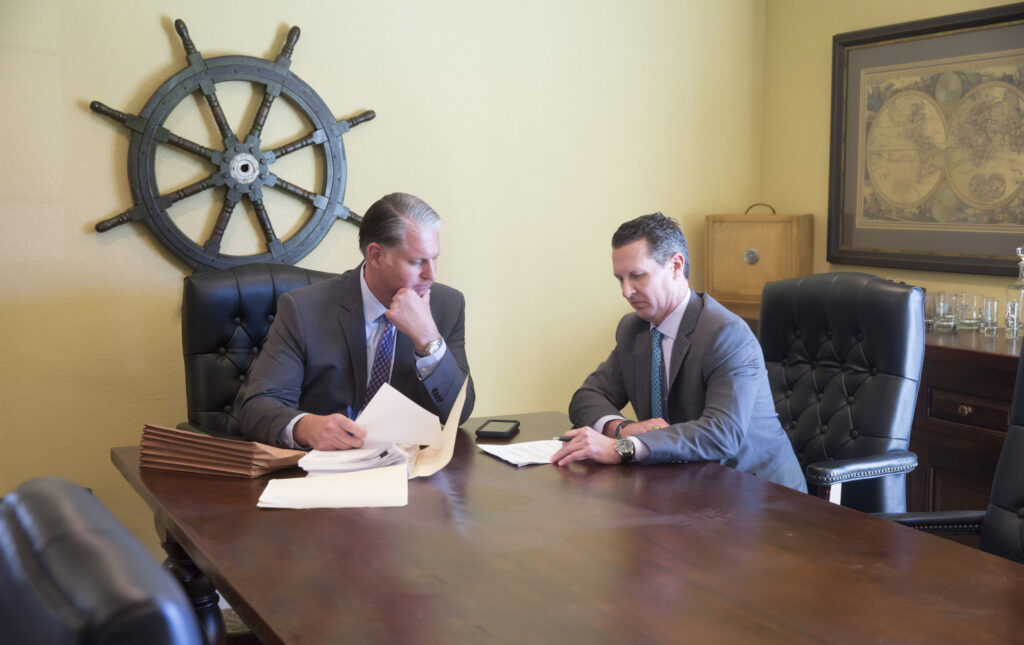
Every year, seamen working aboard tugboats, offshore vessels, dredges, supply boats, fishing vessels, barges, tankers, and cargo ships suffer serious injuries while performing some of the most dangerous jobs in the country. Unlike most employees, maritime workers are not protected by ordinary workers’ compensation laws. Instead, many injured seamen are protected by the Jones Act,…
How Maritime Liens Really Work: A Guide for Vessel Owners, Operators, Suppliers, and Maritime Businesses
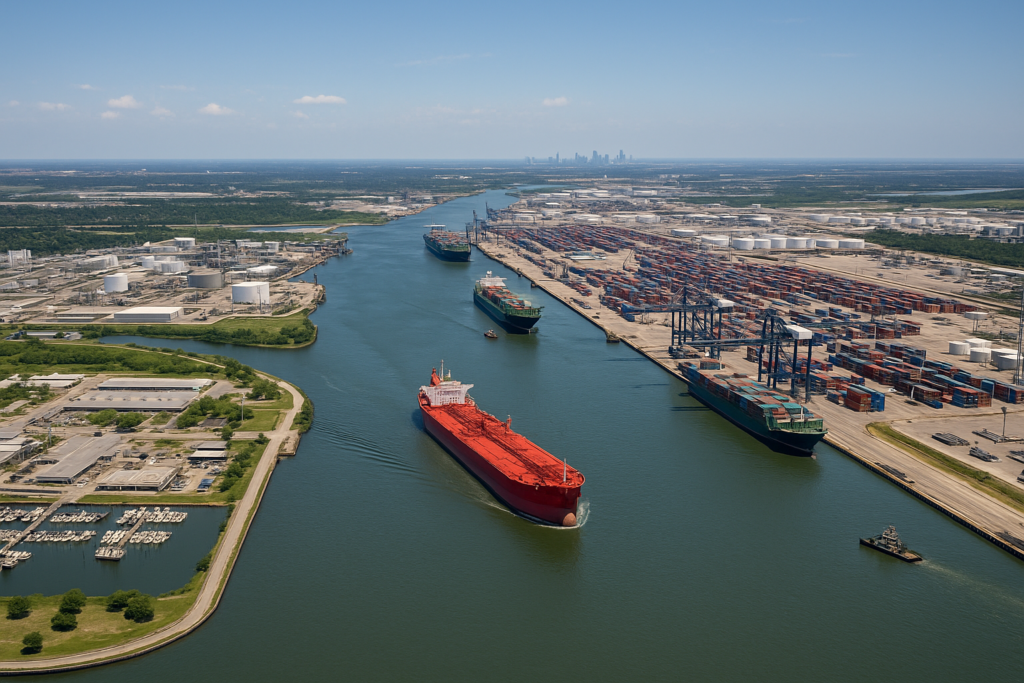
Maritime liens are among the most powerful—and misunderstood—legal remedies in American law. Unlike most liens that require filing paperwork or obtaining a court judgment, a maritime lien can arise automatically by operation of law. It follows the vessel itself, often regardless of who owns it, and can ultimately result in the vessel being arrested and…
Can You Receive Workers’ Compensation and Still File a Lawsuit?

Many injured workers assume that once they begin receiving workers’ compensation benefits, they have given up the right to sue anyone for their injuries. That is not always true. In fact, thousands of injured Texas workers have claims beyond workers’ compensation that may allow them to recover significantly more than workers’ compensation benefits alone. At…
What Happens After a Longshore Accident? A Step-by-Step Guide Under the Longshore and Harbor Workers’ Compensation Act (LHWCA)

If you are injured while working on or around the waterfront, your legal rights are very different from those of most injured workers. Longshoremen, harbor workers, shipbuilders, terminal employees, and other maritime workers are often covered by the Longshore and Harbor Workers’ Compensation Act (LHWCA) instead of traditional state workers’ compensation laws. Unfortunately, many injured…
Rivera v. Kirby Offshore Marine: A Landmark Fifth Circuit Decision Every Maritime Lawyer Should Understand

The Fifth Circuit’s decision in Rivera v. Kirby Offshore Marine, LLC, 983 F.3d 811 (5th Cir. 2020) is one of the most significant modern maritime decisions addressing the rights of compulsory harbor pilots and the continued viability of the historic Sieracki seaman doctrine. The opinion serves as an important reminder that not every injured maritime…
Unseaworthiness Claims Explained – What Makes a Vessel Legally Unsafe?
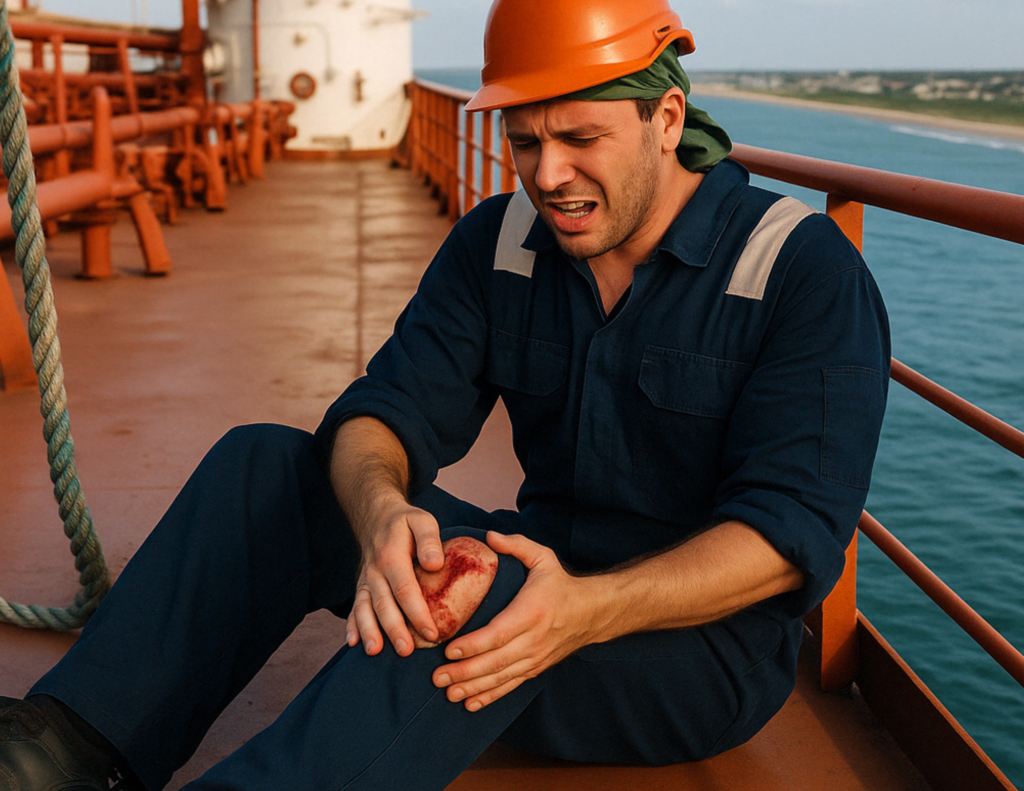
What Is an Unseaworthiness Claim Under Maritime Law? Under general maritime law, vessel owners have an absolute duty to ensure that a vessel is reasonably fit for its intended purpose. When a vessel, its equipment, or its crew is unsafe, an injured worker may bring an unseaworthiness claim. Unlike negligence-based claims, unseaworthiness does not depend…
Ship Injuries in Texas: What Every Injured Maritime Worker Needs to Know

Texas is home to some of the busiest ports in the United States, including Houston, Galveston, Corpus Christi, Port Arthur, Beaumont, Brownsville, Freeport, and Texas City. Every day, thousands of seamen, longshore workers, offshore employees, pilots, engineers, deckhands, and contractors work aboard vessels throughout the Gulf Coast. Unfortunately, ship injuries in Texas are common. Whether…