Injured While Working for the Railroad in Houston? Understanding Your Rights Under FELA
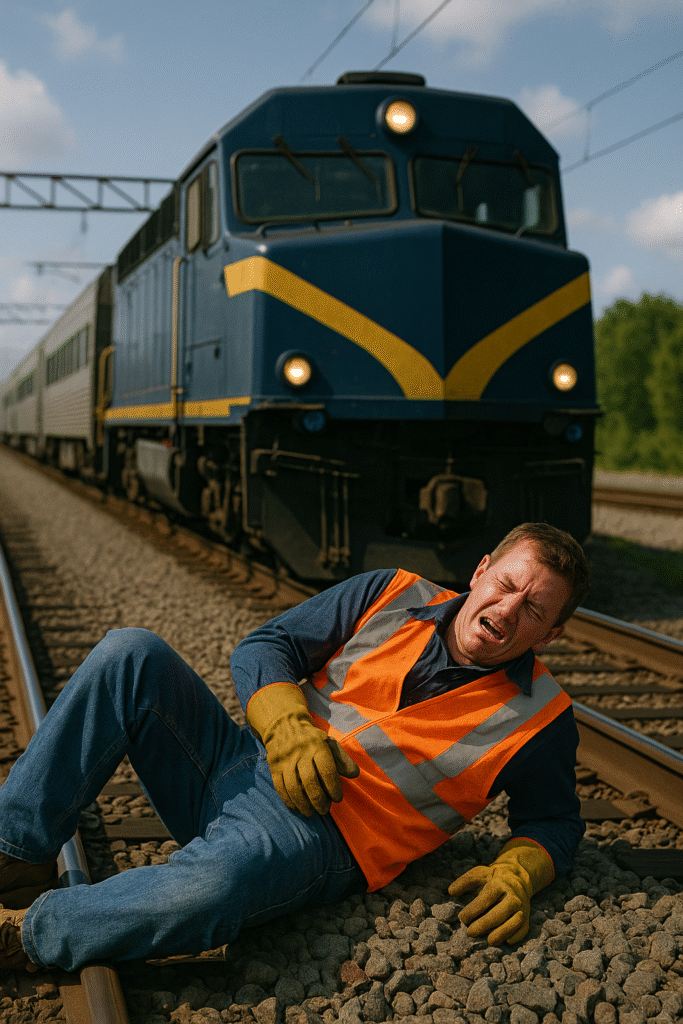
Railroad work is one of the most dangerous occupations in Texas, especially across the busy rail corridors serving the Houston Ship Channel, industrial refineries, and port terminals. If you were injured while working for a railroad in the Houston area, you may have powerful legal rights under the Federal Employers’ Liability Act (FELA) — a…
Back Injuries on Vessels: Your Rights Under the Jones Act

Back injuries are one of the most common and life-altering injuries suffered by seamen working aboard vessels in the Houston Ship Channel, offshore oilfields, dredges, tugboats, and cargo ships. The physical demands of maritime work — lifting heavy equipment, handling lines, climbing ladders, and working on constantly moving decks — place extreme strain on the…
Hatch Cover Injuries on Ships: Legal Rights for Longshoremen

Hatch covers are one of the most dangerous areas on a cargo vessel during loading and unloading operations. Longshoremen working in and around cargo holds at the Port of Houston, Bayport, Barbours Cut, and other Texas terminals face serious risks when hatch covers are opened, closed, or improperly secured. When a hatch cover accident occurs,…
Breaking: Workers Suffer Burn Injuries at ExxonMobil Beaumont Facility | What Injured Refinery Workers Need to Know
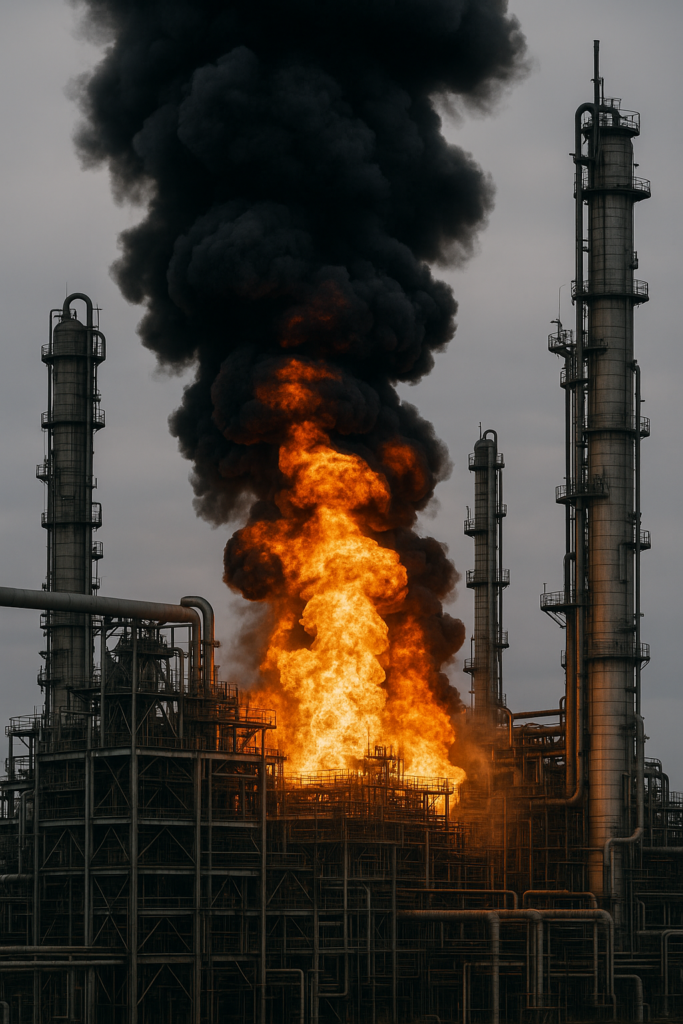
Burn Injuries Reported at ExxonMobil Beaumont Complex: What Victims and Families Should Know Emergency crews responded late Thursday night to an industrial incident at the ExxonMobil facility in Beaumont, Texas, where three contract workers suffered burn injuries while on the job. According to local reports, EMS transported the injured workers to CHRISTUS St. Elizabeth Hospital…
Plane Accidents: What Victims and Families Need to Know

Plane accidents are rare, but when they happen, the consequences are often catastrophic. From private aircraft crashes near regional airports to helicopter incidents and charter flight failures, aviation accidents frequently lead to severe injuries, complex investigations, and high-stakes litigation. For victims and families across Texas, understanding how these cases are investigated — and who may…
Gangway Falls on Vessels: Jones Act vs. Longshore Claims at Texas Ports
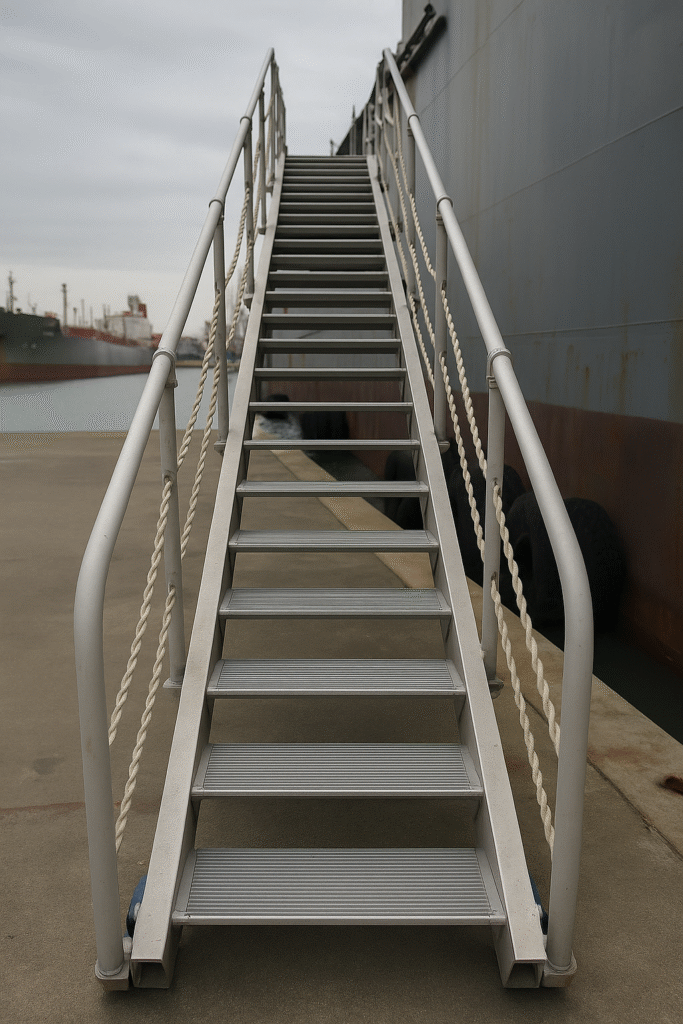
Gangway falls are one of the most common and serious injury mechanisms at Texas ports, especially along the Houston Ship Channel, Galveston Bay, Corpus Christi, Texas City, and Port Arthur. Whether a worker is boarding or disembarking a vessel, a poorly positioned, unsecured, or slippery gangway can result in devastating injuries—fractures, spinal trauma, head injuries,…
Gas Leak Evacuation at Waller ISD Elementary School: What Families Should Know About Safety and Liability
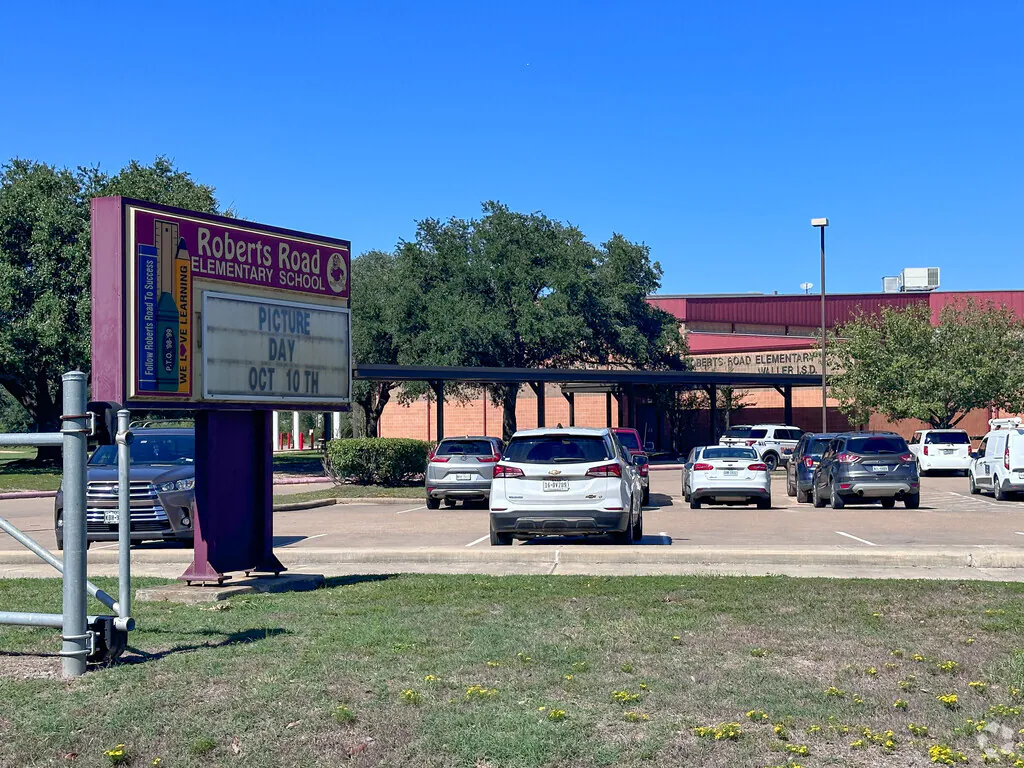
A recent gas leak near Roberts Road Elementary in Waller ISD led to a rapid evacuation of students and staff while emergency responders worked to contain the hazard. Officials reported that gas was detected near the campus, prompting a full evacuation of the building as a safety precaution, with students transported to another location and…
Forklift and Crane Accidents at Gulf Coast Ports: Who Is Liable?
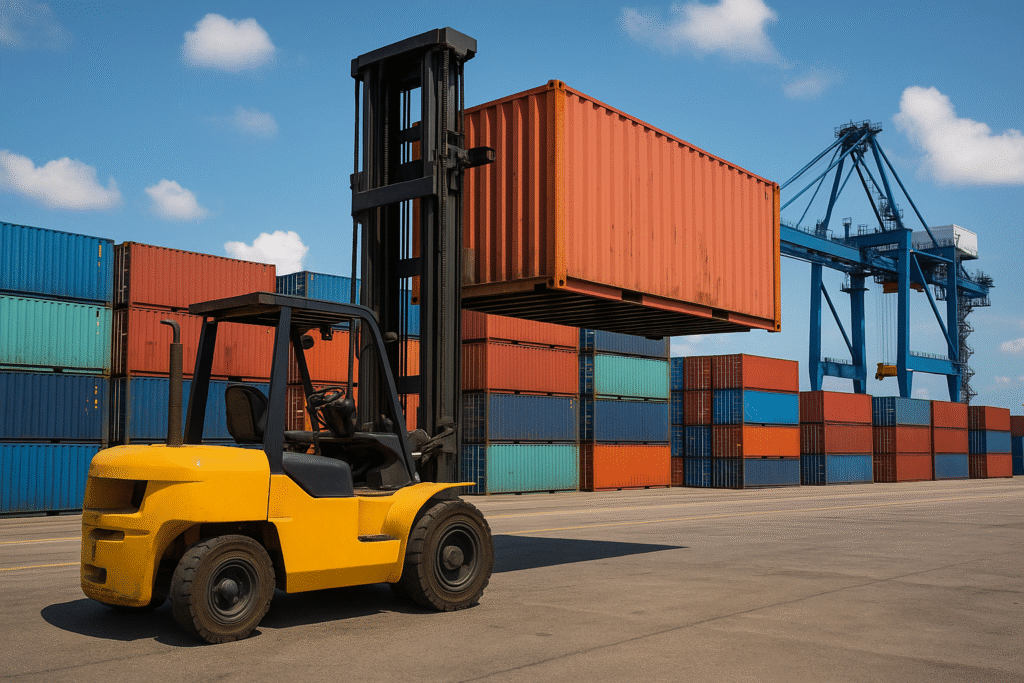
The Hidden Dangers of Heavy Equipment at Texas Ports Ports across the Texas Gulf Coast — including Houston, Galveston, Corpus Christi, Beaumont, and Port Arthur — are the lifeblood of the shipping industry. Every day, thousands of longshoremen, stevedores, and port workers operate or work alongside heavy machinery such as forklifts and cranes. While this…
Common Vessel Injuries Near the Port of Houston

Vessel injuries near the Port of Houston are rarely minor. Houston is one of the busiest and most industrialized ports in the United States, handling massive container ships, tank vessels, tug-and-barge traffic, and specialized cargo operations around the clock. When something goes wrong aboard a vessel working Houston terminals, the injuries are often severe—and the…
The Jones Act: What Injured Mariners Must Prove

The Jones Act is not just another workplace-injury statute. It is a specialized federal maritime negligence regime designed to protect seamen who face extraordinary dangers at sea. Unfortunately, vessel owners, operators, and insurers routinely exploit misunderstandings about the law to limit or deny legitimate claims. This post explains how Jones Act liability actually works, what…